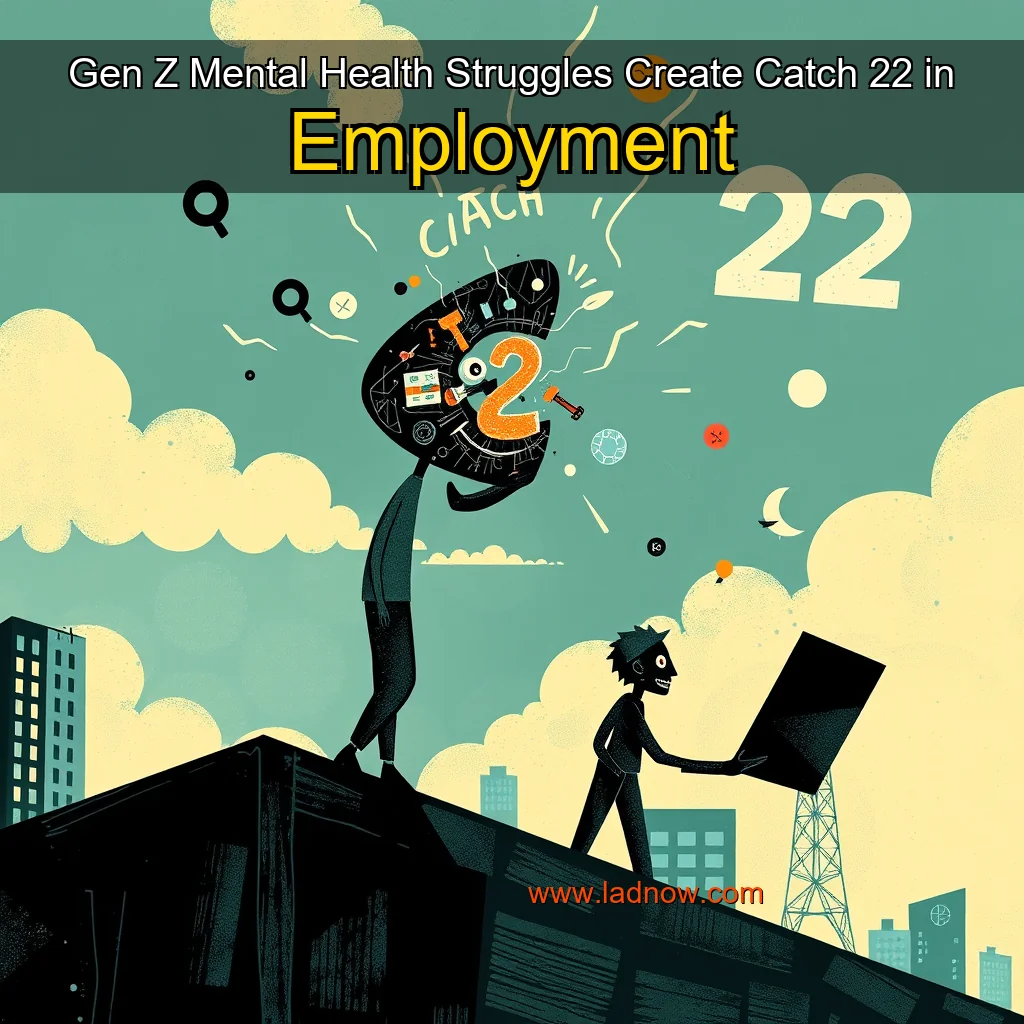
This concept suggests that the pressures of social media, academic expectations, and societal norms have created a pervasive sense of unease and uncertainty.
The Impact of Social Media on Mental Health
Social media has become an integral part of modern life, with many young people spending hours scrolling through their feeds. However, research suggests that excessive social media use can have a detrimental impact on mental health. A study by the Royal Society for Public Health found that:
These statistics highlight the potential risks of social media use on mental health, particularly among young people. The constant stream of curated and manipulated content can create unrealistic expectations and promote feelings of inadequacy.
The Pressure of Academic Expectations
Academic expectations can also play a significant role in the mental health struggles of young people.
8% even reported having suicidal thoughts. These alarming statistics highlight the need for a more comprehensive approach to addressing mental health in the workplace.
The Impact of Financial Pressures on Mental Health
The current economic climate is placing an unprecedented amount of pressure on individuals, particularly those in the workforce. The financial struggles that many are facing are having a profound impact on their mental health, leading to increased anxiety, depression, and other related issues. The financial pressures of the current economic climate are exacerbating these mental health struggles. A significant portion of the population is feeling the strain, with 18% reporting that they are avoiding applying for jobs altogether. This avoidance can lead to feelings of hopelessness and despair, making it even more challenging for individuals to cope with their mental health struggles.
The Human Cost of Financial Pressures on Mental Health
The human cost of financial pressures on mental health is staggering.
For instance, a 2022 survey by the Pew Research Center found that 71% of Gen Z respondents believed that having a job would improve their mental health.
The Mental Health Impact of Having a Job
Having a job can have a significant impact on one’s mental health, and the data suggests that this is particularly true for Gen Z. According to a 2023 McKinsey study, 62% of Gen Z respondents believed that having a job would positively impact their mental health. This finding is consistent with a 2022 survey by the Pew Research Center, which found that 71% of Gen Z respondents believed that having a job would improve their mental health.
The Benefits of Employment for Mental Health
Employment can have numerous benefits for mental health, including:
These benefits can be seen in the experiences of individuals who have found employment. For example, a young adult who was struggling with anxiety and depression found that having a job helped them to feel more confident and self-assured.
The anxiety of Gen Z is crippling their ability to thrive in the workforce.
This anxiety can manifest in various ways, such as increased stress levels, decreased motivation, and a heightened sense of self-doubt.
The Impact of the “Age of Anxiety” on Gen Z
The “age of anxiety” refers to the pervasive and intense anxiety that characterized the lives of Gen Z individuals during their formative years. This anxiety was fueled by various factors, including:
This anxiety can have a profound impact on Gen Z’s ability to prepare for the workforce.
The impact of technology on mental health is a growing concern.
It involves understanding the unique challenges faced by this generation, acknowledging the impact of technology on their mental well-being, and implementing evidence-based strategies to promote mental health.
Understanding the Challenges of Gen Z
Gen Z, born between 1997 and 2012, is the most diverse generation in history. This diversity has led to a wide range of experiences, perspectives, and challenges. Gen Z is growing up in a world where social media dominates their lives, and the constant stream of information can be overwhelming.