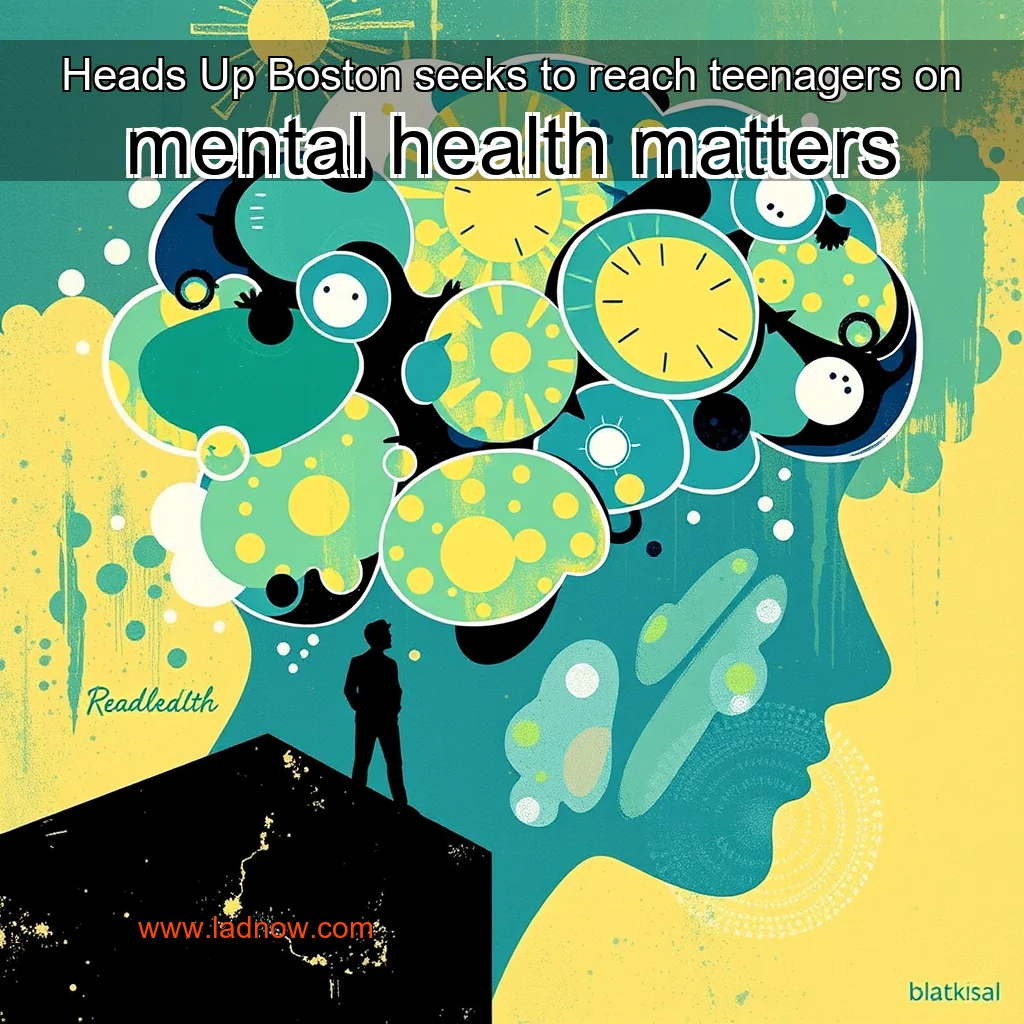
The initiative aims to foster a culture of openness and inclusivity in Boston’s high schools.
The Problem: Social Isolation and Stigma
Boston’s high schools have long struggled with social isolation and stigma, particularly among LGBTQ+ students. Many students feel uncomfortable discussing their identities or seeking help due to fear of judgment or rejection. This can lead to feelings of loneliness, anxiety, and depression. Statistics show that LGBTQ+ students are more likely to experience bullying and harassment in schools. A 2020 survey found that 71% of LGBTQ+ students reported feeling isolated or left out in school. The lack of support and resources can exacerbate these issues, making it difficult for students to thrive.
The Solution: Heads Up, Boston
Heads Up, Boston is a comprehensive program designed to address the social isolation and stigma faced by LGBTQ+ students in Boston’s high schools. The initiative aims to create a safe and inclusive environment where students feel comfortable discussing their concerns and seeking help. The program includes:
- Peer-led support groups
- Online resources and forums
- Training for teachers and staff
- Community events and workshops
The Impact: Real-Life Examples
Heads Up, Boston has already shown promising results in its pilot program. For example:
The Future: Scaling Up and Expanding Resources
As the program continues to grow and expand, it’s essential to address the needs of all students, not just LGBTQ+ ones. The BPHC and Mayor Wu are committed to scaling up the program and providing more resources to support students’ mental health and well-being.
The Campaign’s Goals and Objectives
The campaign aims to promote mental health awareness and reduce stigma around mental illness. It also seeks to provide resources and support to young people, particularly those who may be struggling with their mental health.
Key Objectives:
The Campaign’s Strategy
The campaign employs a multi-faceted approach to achieve its goals. This includes:
Key Strategies:
The Campaign’s Impact
The campaign has already made a significant impact, with many young people reporting a positive change in their mental health and well-being.
The shop owner, a 25-year-old woman, had been running the shop for three years, and she had seen many young people come and go.
“It’s a more open and honest conversation that I think is going to change the way we approach mental health in the future.”
A New Era of Mental Health Awareness
The conversation around mental health has undergone significant transformations in recent years. The younger generation, in particular, has been instrumental in shaping this new era of mental health awareness. According to Simon and Grossman, this generation has the potential to revolutionize how mental health is discussed and addressed.
The Power of Social Media
Social media has played a pivotal role in the younger generation’s ability to express themselves and raise awareness about mental health. Platforms like Instagram, TikTok, and Twitter have provided a space for young people to share their experiences, struggles, and triumphs. This has helped to create a sense of community and connection among individuals who may have previously felt isolated or stigmatized.
Jormanny had been struggling with anxiety and depression, but after hearing Peterson speak, he felt a sense of hope and determination. He began to open up to his friends and family about his struggles, and slowly started to rebuild his life.
The Power of Vulnerability
Jormanny’s experience is not unique. Many teenagers struggle with mental health issues, and it’s often the first time they’ve felt truly seen and heard. This is where the work of Dr. Brené Brown comes in. Brown, a research professor at the University of Houston, has spent years studying the power of vulnerability. She argues that vulnerability is not weakness, but rather a necessary step towards growth and connection. Key takeaways from Brown’s research: + Vulnerability is a fundamental human need + It’s a necessary step towards building trust and intimacy + It requires courage and self-awareness
The Importance of Community
Peterson’s message of hope and resilience resonated with Jormanny, but it was the sense of community that truly stuck with him.
The Impact of Systemic Inequality on Mental Health
The youth risk behavioral health survey, conducted by the National Center for Education Statistics, aimed to understand the mental health and well-being of young people in the United States. The survey found that young people of color and those in the LGBTQ+ community faced unique challenges that contributed to their higher levels of anxiousness and negative thoughts.