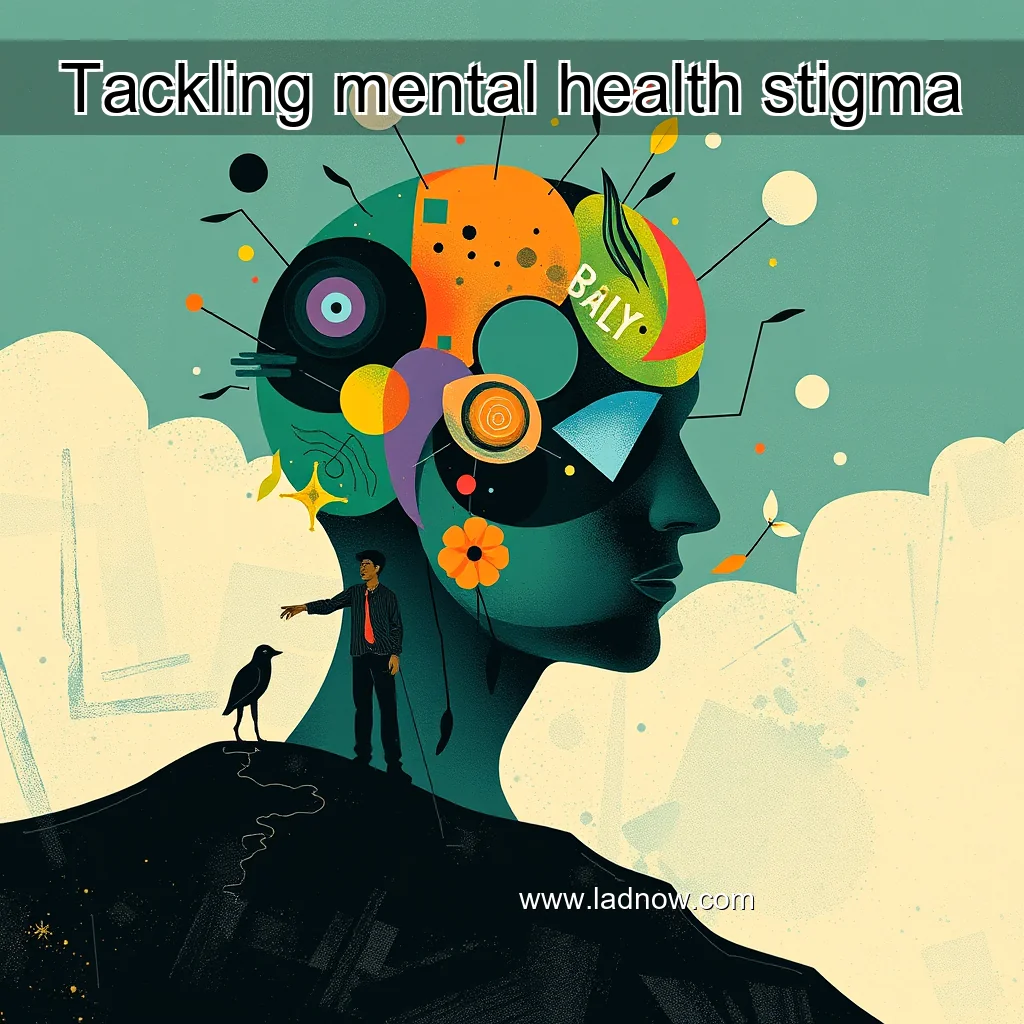
Mental health stigma and fear of weakness are major obstacles to seeking help.
This can be attributed to various factors, including the stigma surrounding mental illness, the fear of being perceived as weak, and the lack of understanding about mental health issues.
The Stigma Surrounding Mental Illness
The stigma surrounding mental illness is a significant barrier to seeking help. Many people view mental health issues as a personal failing or a sign of weakness, rather than a legitimate medical condition. This stigma can lead to feelings of shame, guilt, and embarrassment, causing individuals to hide their struggles and avoid seeking support. The stigma surrounding mental illness can be seen in the way people speak about mental health issues. Using phrases like “I’m just stressed” or “I’m fine” can be a way of downplaying the severity of the issue and avoiding conversations about mental health. The stigma can also be seen in the way mental health issues are portrayed in media. Mental health issues are often depicted as something that can be easily overcome with a positive attitude or a simple solution, rather than a complex and multifaceted issue that requires professional help.*
The Fear of Being Perceived as Weak
The fear of being perceived as weak is another significant barrier to seeking help. Many people believe that seeking mental health support is a sign of weakness, and that it will damage their reputation or relationships. This fear can be particularly strong among men, who are often socialized to suppress emotions and avoid showing vulnerability. The fear of being perceived as weak can lead to a culture of silence and secrecy around mental health issues.
Others respond with anger, hurt, or frustration, leaving the child feeling unheard and un validated.
The Challenges of Opening Up to Parents
Opening up to parents can be a daunting task, especially for children who have experienced trauma or abuse. The fear of rejection, judgment, or worse, can be overwhelming. Children may struggle to articulate their feelings, making it even more difficult to have an open and honest conversation. The fear of being judged or rejected can be a significant barrier to opening up to parents. Children may feel that their parents will not understand or will be too critical. The fear of being hurt or rejected can be especially challenging for children who have experienced trauma or abuse.
The Importance of Validation
Validation is a crucial aspect of opening up to parents. When children feel heard and understood, they are more likely to open up and share their feelings. Validation can take many forms, including:
Having a supportive network is crucial for mental health.
The Importance of Support and Acceptance
As we navigate the challenges of adolescence, it’s easy to overlook the significance of support and acceptance from older generations.
This phenomenon is not unique to Nepal; similar attitudes prevail in many countries, including the United States.
The Cultural Significance of Traditional Healing in Nepal
Traditional healing practices in Nepal have been deeply ingrained in the culture for centuries. The country’s rich cultural heritage is characterized by a strong emphasis on spiritual and mystical beliefs, which often intersect with physical health. Many Nepalis believe that mental health issues are a result of spiritual imbalance or evil spirits, rather than a medical condition. The concept of “bhoot” (ghosts) and “yaksha” (supernatural beings) is deeply rooted in Nepali folklore. These entities are believed to cause mental health issues, such as anxiety and depression, if not appeased through traditional rituals and practices. The use of herbal remedies, such as tulsi (holy basil) and ginseng, is also widespread in Nepal. These plants are believed to possess spiritual properties that can heal mental health issues. Traditional healers, known as “gurukuls,” play a significant role in Nepal’s mental health landscape. They often use a combination of spiritual and physical remedies to treat mental health issues.
The Impact of Stigma on Mental Health in Nepal
The stigma surrounding mental health in Nepal is significant, and it affects both individuals and families. Many people with mental health issues are reluctant to seek help due to fear of social ostracism and shame. In Nepal, mental health issues are often stigmatized as a result of cultural and social norms.
The Importance of Normalizing Mental Health Conversations
Mental health is often stigmatized in our society, and this stigma can be deeply ingrained in our culture. Traditional healing practices, such as those found in many indigenous cultures, can help to break down these barriers. However, these practices are often not widely recognized or accepted in mainstream society.
The Role of Family and Community
In many families, children are not taught about emotions or mental well-being. This can lead to a lack of understanding and empathy for those who are struggling with their mental health. However, when family members and community members are open and honest about their own mental health struggles, it can help to create a culture of understanding and support. This can include sharing personal experiences, discussing mental health resources, and providing emotional support to one another. By doing so, families and communities can help to break down the stigma surrounding mental health and create a more supportive environment.*
The Benefits of Normalizing Mental Health Conversations
Normalizing mental health conversations can have a number of benefits, including:
The Current State of Mental Health in Nepal
Mental health remains a taboo topic in Nepal, with many people hesitant to discuss their struggles openly. This reluctance stems from a combination of cultural, social, and economic factors.
Breaking Down Stigmas
The stigma surrounding mental health services has been a significant barrier to seeking help. Many people view mental health issues as a personal failing or a sign of weakness, rather than a treatable medical condition. This mindset can lead to feelings of shame, guilt, and anxiety, causing individuals to avoid seeking help altogether.