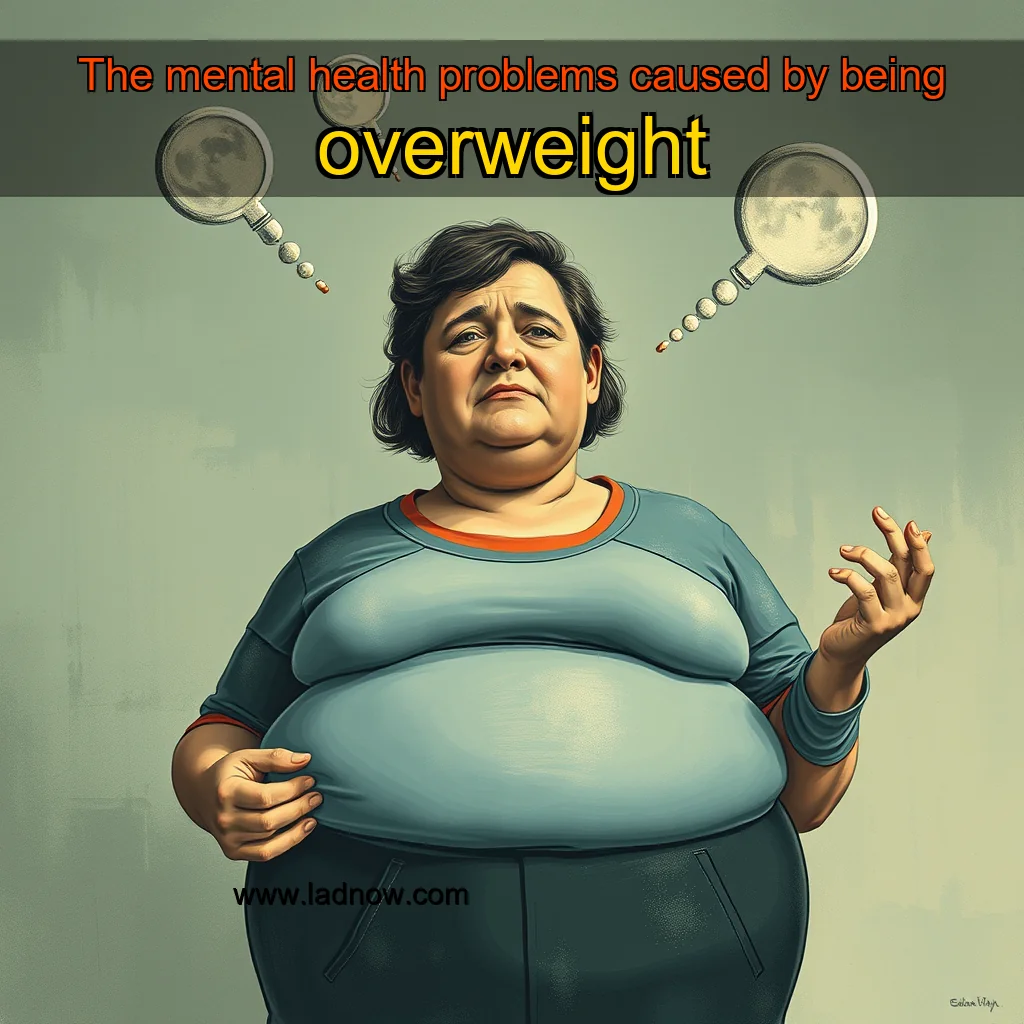
The weight stigma, also known as weight bias, is a pervasive and deeply ingrained phenomenon that affects people of all ages, backgrounds, and body types.
The Weight Stigma: A Barrier to Mental Health
The weight stigma is a pervasive and deeply ingrained phenomenon that affects people of all ages, backgrounds, and body types.
The effects of negative body image can be seen in various aspects of life, including mental health, social interactions, and overall well-being.
The Impact of Negative Body Image on Mental Health
Negative body image can have a profound impact on an individual’s mental health.
The impact of weight stigma can be particularly damaging for young people, who are already vulnerable to the pressures of adolescence.
The Weight of Mental Health
The Intersection of Body Image and Mental Health
The relationship between excess weight and mental health disorders is complex and multifaceted. On one hand, being overweight or obese can lead to feelings of shame, low self-esteem, and body dissatisfaction. On the other hand, mental health disorders such as anxiety and depression can also contribute to weight gain or difficulty losing weight.
The Impact of Weight Stigma
Weight stigma is a pervasive issue that affects individuals of all ages, but its impact on young people is particularly concerning. Children and teenagers who are overweight or obese often face bullying, teasing, and social exclusion. This can lead to feelings of isolation, low self-esteem, and a negative body image. The effects of weight stigma can be long-lasting, with some studies suggesting that the negative impact can persist into adulthood.
Therapy can also provide an opportunity to explore underlying emotional issues contributing to emotional eating, such as trauma, anxiety, or depression. By acknowledging and addressing these underlying issues, individuals can develop a more compassionate and realistic relationship with food and their bodies, leading to healthier eating habits and a more positive body image.
Step 1: Understanding Emotional Eating
Emotional eating is a complex issue that involves using food as a coping mechanism for emotional distress. This behavior can stem from various underlying factors, including trauma, anxiety, depression, or stress. When individuals turn to food for comfort, they may experience a temporary sense of relief, but this behavior ultimately perpetuates a cycle of guilt, shame, and weight gain.
Step 2: The Destructive Cycle of Emotional Eating
The cycle of emotional eating is detrimental to one’s physical and mental health. The guilt and shame associated with emotional eating can lead to further weight gain, as individuals may restrict their food intake or engage in disordered eating behaviors. This restriction can, in turn, lead to feelings of deprivation, which can trigger bingeing episodes. The vicious cycle of guilt, shame, and restriction can be incredibly challenging to break, making it essential to address the underlying emotional issues driving this behavior.
Step 3: The Role of Mental Health Professionals
Working with mental health professionals is a crucial step in breaking the cycle of emotional eating. A therapist can help individuals identify and challenge negative thought patterns, develop healthier coping mechanisms, and explore underlying emotional issues contributing to emotional eating.
The Need for Systemic Change
The mental health burden of excess weight is a pressing issue that affects millions of people worldwide. It is not just a matter of personal responsibility, but rather a complex problem that requires a multifaceted approach.
Mental health is a crucial factor in achieving and maintaining a healthy weight.
The Importance of Mental Health in Weight Management
Mental health plays a significant role in weight management, and it’s essential to acknowledge its importance. A person’s mental state can significantly impact their eating habits, physical activity levels, and overall weight management.