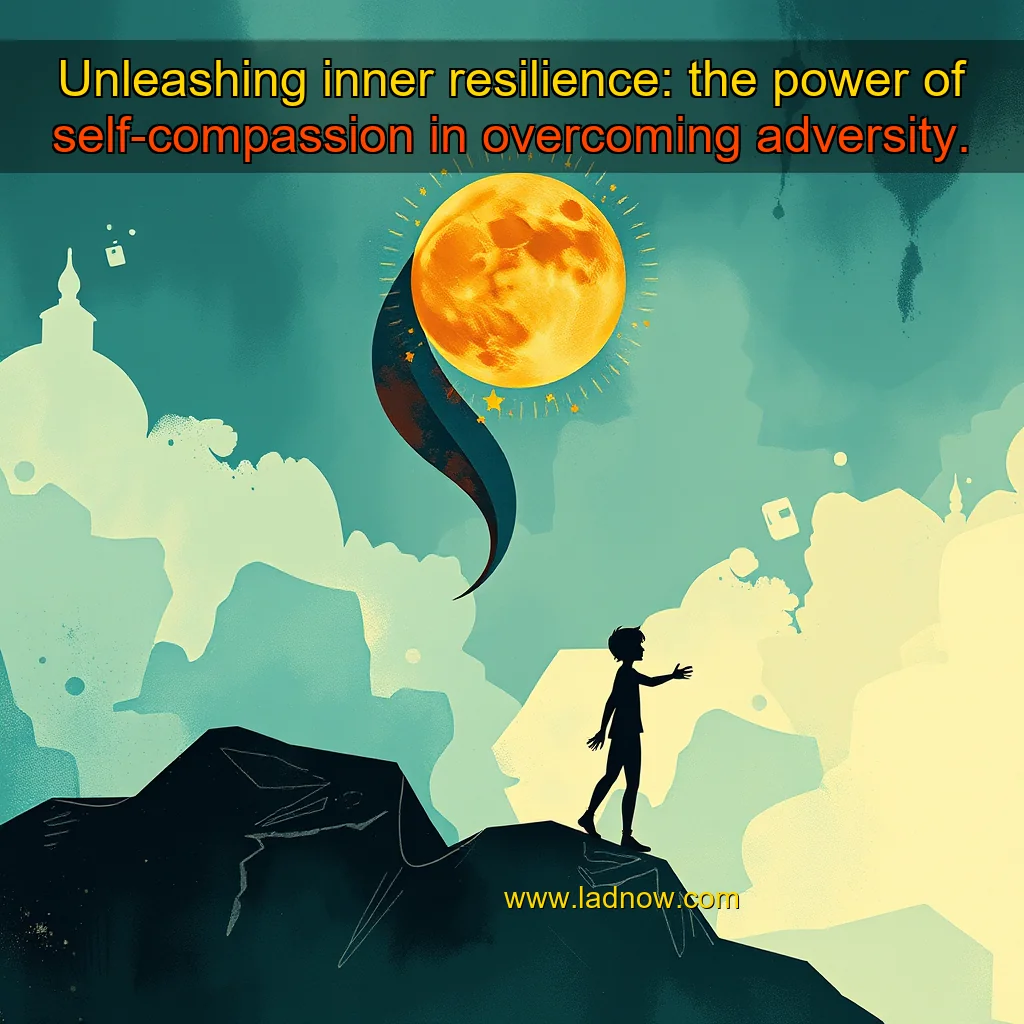
Rather, it’s about acknowledging your imperfections and accepting them as a natural part of being human.
What is Self-compassion? Self-compassion is a powerful tool that can help you develop a more positive relationship with yourself. It involves treating yourself with the same kindness, care, and understanding that you would offer to a close friend. This means being gentle with yourself, acknowledging your mistakes, and practicing mindfulness.
Practicing kindness to yourself can lead to greater resilience and improved well-being.
But after learning about self-compassion, I realized that it’s okay to make mistakes and that I can learn from them. Now, I’m more confident and resilient in the face of challenges.”
The Power of Self-compassion
Self-compassion is the practice of treating yourself with kindness, understanding, and acceptance, especially when you make mistakes or experience difficult emotions. It’s a powerful tool that can help you develop resilience, build confidence, and improve your overall well-being.
Benefits of Self-compassion
How Self-compassion Works
When you practice self-compassion, you’re not being self-indulgent or self-pitying. Rather, you’re acknowledging your imperfections and limitations, and treating yourself with the same kindness and care that you would offer to a friend. This can help you develop a more realistic and compassionate understanding of yourself, and reduce self-criticism.
The Science Behind Self-compassion
Research has shown that self-compassion is linked to increased activity in the brain’s reward system, which can lead to feelings of pleasure and relaxation.
Cultivating kindness and acceptance in everyday life.
Here are some ways to cultivate self-compassion and promote mental well-being.
Building a Foundation of Self-Compassion
To start cultivating self-compassion, it’s essential to understand what it means. Self-compassion is the practice of treating yourself with kindness, understanding, and acceptance, especially when you make mistakes or experience difficult emotions. It’s not about being self-indulgent or self-centered; rather, it’s about acknowledging your humanity and treating yourself with the same care and compassion that you would offer to a good friend.
By cultivating self-compassion, we can develop a more positive and supportive relationship with ourselves.
The Science Behind Self-Compassion
Self-compassion is rooted in the concept of mindfulness, which involves being present in the moment and observing our thoughts and emotions without judgment. This allows us to develop a greater understanding of ourselves and our reactions to stress. Research has shown that self-compassion is linked to lower levels of anxiety and depression, as well as improved emotional regulation. Key findings: + Self-compassion is associated with reduced stress and anxiety + Practicing self-compassion can lead to improved emotional regulation + Self-compassion is linked to lower levels of depression
The Benefits of Self-Compassion
Cultivating self-compassion can have a profound impact on our mental and emotional well-being. By treating ourselves with kindness and understanding, we can develop a more positive and supportive relationship with ourselves. This can lead to a range of benefits, including:
Practicing Self-Compassion
Practicing self-compassion is not just about feeling good; it’s about developing a new way of responding to stress and challenging situations. Here are some ways to cultivate self-compassion:
Overcoming Self-Criticism
One of the biggest challenges to developing self-compassion is overcoming self-criticism.
Cultivate inner peace and positivity through self-compassion.
Set boundaries: Establishing limits helps you maintain emotional balance. Practice mindfulness: Focus on the present moment to reduce stress. Cultivate gratitude: Reflect on the things you’re thankful for each day.
The Power of Self-Compassion: 5 Quick Tips to Transform Your Life
In today’s fast-paced world, it’s easy to get caught up in the hustle and bustle of daily life. We often find ourselves juggling multiple responsibilities, trying to meet deadlines, and striving for perfection. However, this relentless pursuit of excellence can take a toll on our mental health. That’s where self-compassion comes in – a powerful tool that can help us cultivate a more positive and loving relationship with ourselves.
The Benefits of Self-Compassion
Self-compassion is not just a feel-good concept; it has a significant impact on our well-being.
Or the community organizer from Cross County, who has been working tirelessly to raise awareness about mental health issues in rural areas.
The Rise of Self-Compassion Champions in Northeast Arkansas
In a region where rural isolation and limited access to mental health resources can exacerbate mental health issues, a new wave of champions is emerging to promote self-compassion and mental health awareness. These individuals are taking the lead in creating a culture of kindness, understanding, and support, and their efforts are having a profound impact on the lives of those around them.
The Power of Self-Compassion
Self-compassion is the practice of treating oneself with kindness, understanding, and acceptance, especially when faced with difficult emotions or experiences. It’s a powerful tool that can help individuals develop a more positive relationship with themselves, build resilience, and improve their overall well-being.
The Power of Community Support
In the face of adversity, community support can be a powerful force for healing and growth. When individuals come together to offer emotional support, practical assistance, and a listening ear, they can make a significant difference in someone’s life. Breaking down stigmas: Community support can help break down stigmas surrounding mental health, encouraging individuals to seek help and talk openly about their struggles. Providing resources: Community organizations and initiatives can provide access to resources, such as counseling services, support groups, and educational programs, that can help individuals manage their mental health. * Fostering a sense of belonging: Community support can foster a sense of belonging and connection, which is essential for overall well-being and mental health.**
The Impact of Community Support on Mental Health
Research has shown that community support can have a profound impact on mental health. When individuals feel connected to their community and supported by others, they are more likely to experience:
Improving Mental Health Support through Education and Training.
Getting Started with Mental Health First Aid Training
Mental Health First Aid (MHFA) training is a valuable resource for anyone looking to improve their understanding and response to mental health issues. This training is designed to equip individuals with the knowledge and skills to identify, understand, and respond to mental health issues in a supportive and non-judgmental way.
Key Benefits of Mental Health First Aid Training
Understanding the Importance of Early Intervention
Early intervention is critical in addressing mental health issues. By identifying and responding to mental health issues early, individuals can receive the support and treatment they need to recover and thrive. MHFA training provides individuals with the knowledge and skills to identify the signs and symptoms of mental health issues and respond in a supportive and non-judgmental way.
How Mental Health First Aid Training Works
Mental Health First Aid training is typically delivered in a group setting and consists of a series of modules that cover topics such as:
Getting Involved with Mental Health First Aid Training
Mental Health First Aid training is available online and through local providers.
Building Resilience through Self-Compassion
Mental health education in Northeast Arkansas schools is taking a proactive approach to addressing the growing concerns of student mental health. Rather than simply teaching students about the risks of substance misuse, these programs focus on equipping students with the skills and strategies to build resilience and promote self-compassion.
The Importance of Self-Compassion in Education
Self-compassion is a vital component of a healthy and supportive learning environment. When students feel seen, heard, and understood, they are more likely to develop a positive self-image and achieve academic success.
The Arkansas Department of Health is being reorganized to address the opioid epidemic. The reorganization aims to improve coordination and communication among state agencies, healthcare providers, and community organizations. This will enable a more comprehensive and effective response to the substance misuse crisis. The reorganization includes the creation of a new opioid task force, which will bring together experts from various fields to develop and implement evidence-based strategies for addressing the opioid epidemic. ### Key Components of the Reorganization
of Health, and the Arkansas Children’s Hospital, have partnered to launch a new initiative to address the growing mental health crisis in the state.
The Growing Mental Health Crisis in Arkansas
The state of Arkansas has been grappling with a growing mental health crisis, with increasing numbers of residents struggling with anxiety, depression, and substance use disorders. According to the Arkansas Department of Health, the number of individuals seeking mental health services has risen by 25% over the past five years. This trend is reflected in the growing number of emergency room visits, hospitalizations, and overdose deaths. Key statistics: + 25% increase in mental health service requests over the past five years + 15% increase in emergency room visits for mental health-related issues + 30% increase in overdose deaths The root causes of this crisis are multifaceted and complex. Contributing factors include:
The New Initiative
The new initiative, launched in early 2024, aims to address the growing mental health crisis in Arkansas. The partnership between the Arkansas Department of Health, the Arkansas Children’s Hospital, and Gov. Sarah Huckabee Sanders brings together a range of expertise and resources to tackle this complex issue.