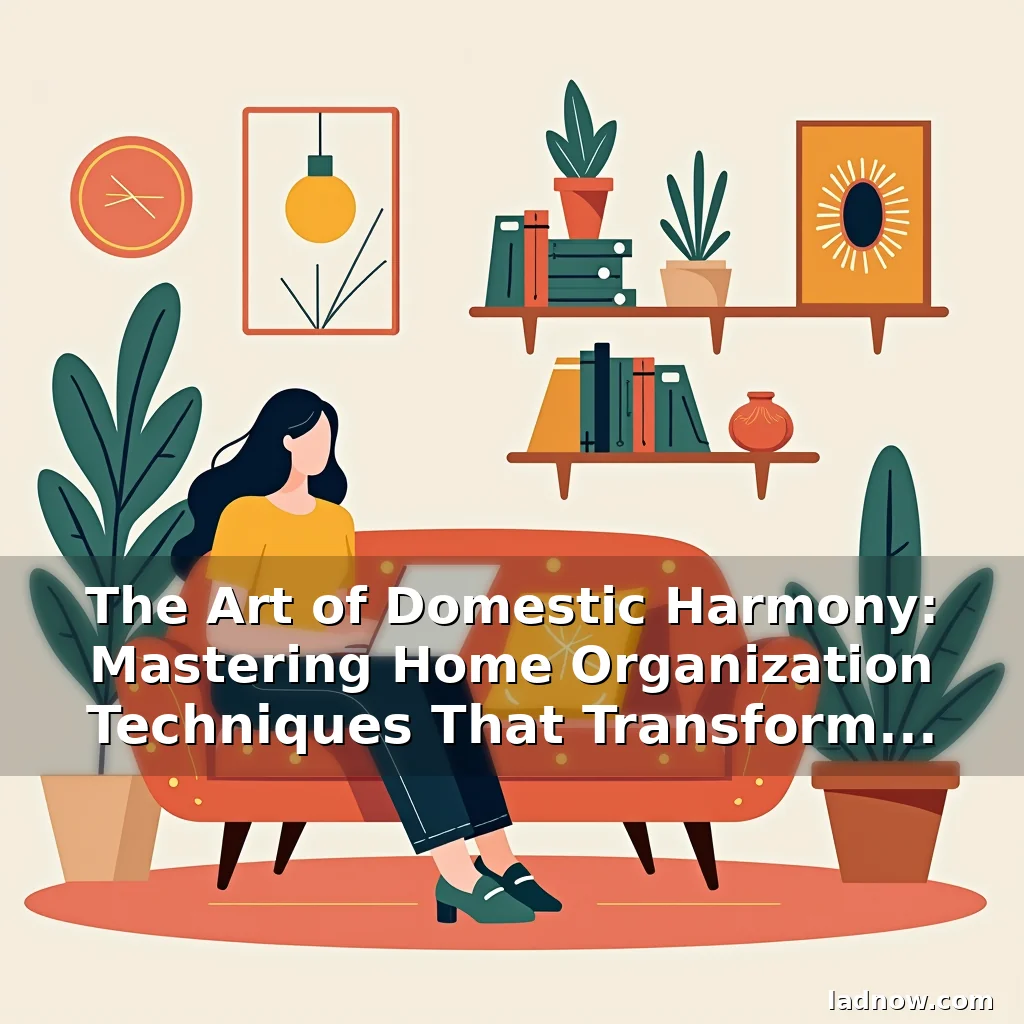
The Art of Domestic Harmony: Mastering Home Organization Techniques That Transform Living Spaces
In an age where clutter is often synonymous with stress, mastering the art of domestic harmony through effective home organization has become essential for modern living. The right strategies not only enhance aesthetics but also significantly impact mental well-being and productivity.
A thoughtfully organized home creates a sanctuary that supports daily routines while reducing anxiety associated with disarray. This guide explores practical techniques tailored for individuals seeking lasting solutions rather than temporary fixes.
Fundamental Principles of Effective Home Organization
The foundation of any successful organization system lies in understanding personal habits and spatial dynamics. Recognizing how you interact with your environment enables customization of storage solutions that align perfectly with individual needs.
Creating zones within each room based on function streamlines navigation and reduces decision fatigue. For example, designating specific areas for reading versus work tasks helps maintain clear boundaries between different aspects of life.
Three core principles:
- Declutter regularly: Implement weekly maintenance rituals focused on removing items that no longer serve their purpose or bring joy
- Optimize vertical space: Utilize wall-mounted shelves and hanging organizers to maximize available square footage without overcrowding floor areas
- Prioritize accessibility: Store frequently used items at eye level while relegating less common objects to higher or lower storage compartments
These guiding principles form the basis for sustainable organization systems that adapt as lifestyles evolve over time. Regular assessment ensures continued effectiveness even as new possessions enter the household.
Strategic Room-by-Room Organization Approach
An effective approach involves systematically addressing each living area according to its unique requirements. Starting from entryways and moving sequentially through primary spaces allows for logical progression in organizing efforts.
Kitchen organization benefits greatly from implementing drawer dividers and categorized pantry systems. Assigning specific locations for cooking tools, ingredients, and utensils minimizes searching time during meal preparation.
Cooking Space Optimization
Studies show that efficient kitchen layouts can reduce food waste by up to 30% when ingredients are stored properly. Refrigerator compartment labeling and spice rack organization contribute substantially to this improvement.
Investing in quality countertop organizers prevents clutter buildup while keeping essential items readily accessible. Magnetic knife strips offer both safety advantages and visual appeal compared to traditional storage methods.
Bathroom organization requires attention to moisture-sensitive materials and limited counter space. Using stackable containers for toiletries and installing overhead cabinets maximizes storage potential without compromising functionality.
Implementing a rotation system for seasonal bathroom products maintains freshness and prevents expiration issues related to unused items gathering dust in drawers.
Lifestyle-Centric Storage Solutions
Modern homes demand adaptable storage systems that accommodate evolving lifestyles. Modular furniture pieces provide flexibility for changing family structures or professional commitments.
Smart storage technology integrates seamlessly into contemporary interiors while enhancing convenience. Automated closet systems and voice-controlled lighting add value beyond basic organizational functions.
Different lifestyles require customized approaches – working parents may benefit from dedicated homework stations, whereas retirees might prioritize easy access to medical supplies and comfort-oriented arrangements.
Assessing daily routines identifies key storage needs that should receive priority treatment. Mapping out typical movements throughout the house reveals opportunities for optimizing workflow efficiency.
Tech Integration in Modern Home Organization
Digital tools now play a crucial role in maintaining order across various domains of home management. Smart devices equipped with sensors help track inventory levels automatically.
Applications designed specifically for home organization allow users to create virtual checklists, set reminders, and monitor progress toward decluttering goals. These platforms facilitate collaborative efforts among household members.
Internet-connected appliances enable remote monitoring and control capabilities, which prove particularly useful for managing perishables or ensuring security while away from home.
Data analytics features in advanced smart home systems identify patterns in usage behaviors, suggesting improvements to existing organization schemes based on real-world interactions.
Eco-Friendly Organizational Practices
Sustainable home organization balances functionality with environmental responsibility. Choosing biodegradable packaging materials and repurposing old containers reduces ecological footprint while maintaining practicality.
Energy-efficient LED lighting complements organized spaces by providing illumination that consumes minimal power yet enhances visibility within storage areas.
Upcycling projects transform discarded items into functional storage solutions, adding character to interiors while minimizing waste generation. DIY shelving made from reclaimed wood offers both aesthetic and environmental benefits.
Organic cleaning products support eco-conscious practices by eliminating harsh chemicals typically found in commercial cleaners used to maintain organized environments.
Maintaining Long-Term Organization Success
Sustained success depends on developing consistent maintenance routines that prevent reaccumulation of disorder. Establishing regular tidying schedules helps maintain established systems effectively.
Teaching children organizational skills early fosters lifelong habits that simplify household management for future generations. Involving them in routine upkeep strengthens familial bonds around shared responsibilities.
Periodically reassessing storage configurations accommodates changes in lifestyle preferences or physical layout alterations due to renovations or additions to the property.
Tracking progress through visual aids such as charts or digital apps reinforces positive behavior patterns and provides motivation for continued adherence to organization protocols.
The Psychological Benefits of a Well-Organized Home
Research indicates that organized living spaces correlate strongly with improved mood regulation and increased feelings of accomplishment. Clear pathways and designated storage areas foster confidence in one’s ability to manage domestic affairs efficiently.
Reduced cognitive load from knowing exactly where things belong translates into greater mental clarity and enhanced problem-solving abilities. This psychological advantage extends to other areas of life beyond mere household management.
Environmentally conscious organization practices promote mindfulness regarding consumption habits, leading to more intentional purchasing decisions that align better with actual needs rather than impulsive desires.
The sense of control provided by an orderly home contributes positively to overall self-esteem, reinforcing the idea that one’s living space reflects their values and priorities accurately.
Conclusion
Mastering home organization requires commitment to ongoing refinement rather than one-time interventions. By applying these structured methodologies consistently, individuals cultivate environments that truly reflect their aspirations and way of life.
Embracing these transformative practices leads to significant improvements in quality of life through reduced stress, increased productivity, and enhanced appreciation for personal spaces. Begin today with small steps towards creating a harmonious living environment that nurtures both body and mind.

news is a contributor at LadNow. We are committed to providing well-researched, accurate, and valuable content to our readers.